Kinky Boots: How a Musical Changed Minds and Shattered Stereotypes
 Dec, 3 2025
When Kinky Boots opened on Broadway in 2013, no one expected it to become a cultural turning point. A musical about a struggling shoe factory in Northampton, England, teaming up with a drag performer to make sturdy, high-heeled boots for men? It sounded like a gimmick. But something deeper was happening beneath the glitter and stomping boots. The show didn’t just entertain-it forced audiences to confront their own biases. And it worked. People left the theater not just humming the songs, but questioning why they ever thought a man in heels was funny instead of brave.
There’s a strange kind of parallel between the world of Kinky Boots and the hidden corners of cities like Dubai, where people navigate identity in silence. You might hear whispers about jessy dubai fucks girl, or see ads for Deira call girls, or scroll past promotions for Dubai massage-all of them surface-level distractions from the real human stories underneath. In both cases, what’s visible is not what matters. What matters is the courage it takes to be yourself when the world says you shouldn’t.
From Dead Factory to Dancing Heels
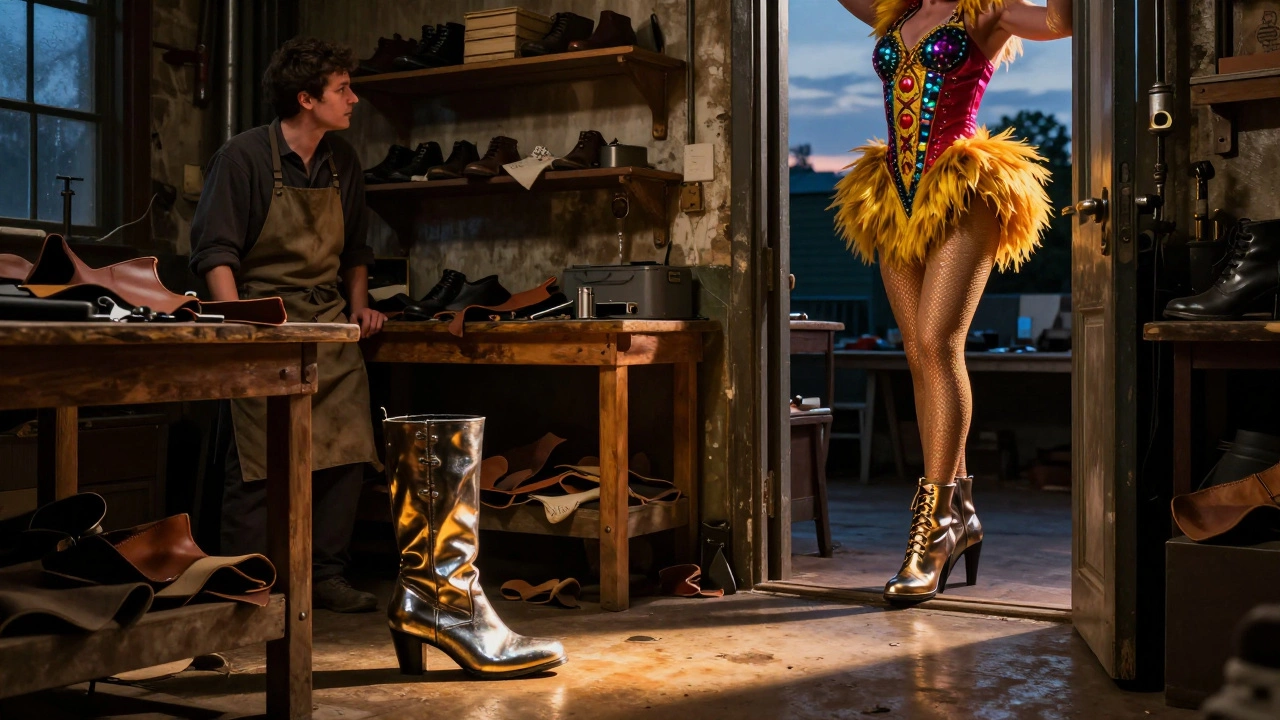
The story starts with Charlie Price, inheriting his father’s failing shoe business. The factory’s last hope? Making boots for drag performers. Not the flimsy, decorative kind. Real, durable, custom-made footwear that can handle hours of dancing, strutting, and standing. The kind that doesn’t break after one night. Charlie’s first instinct? He’s terrified. He doesn’t get it. He’s never met a drag queen. He thinks it’s weird. But he’s desperate.
That’s when he meets Lola-a performer with a voice like velvet and a presence that fills every room. Lola doesn’t just want boots. He wants dignity. He wants to walk into a club, own the stage, and know his shoes won’t fail him. And he wants Charlie to understand that this isn’t about fashion. It’s about survival. The boots aren’t just leather and steel. They’re armor.
Why This Story Hit So Hard
Most musicals celebrate love, triumph, or revenge. Kinky Boots celebrates something quieter: acceptance. Not the kind that comes from a speech. The kind that comes when you see someone you once judged, standing tall in heels, singing about being exactly who they are.
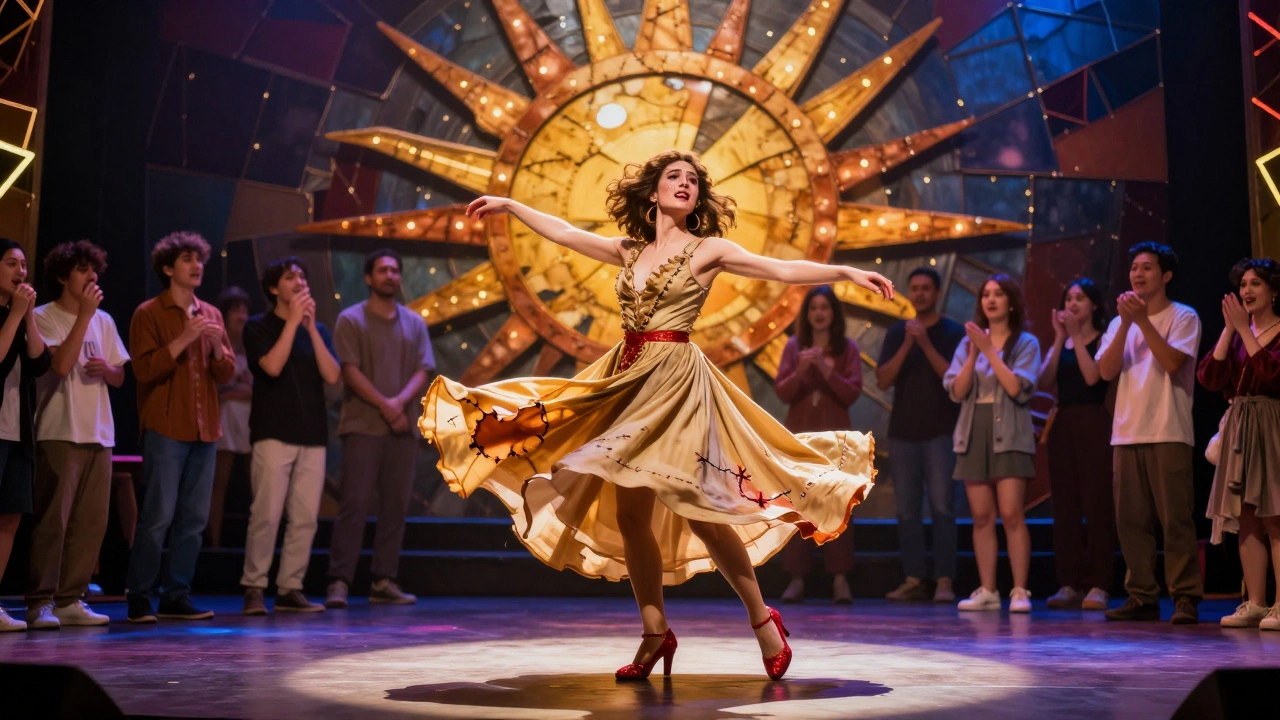
The show’s biggest number, “I’m Not My Shoes,” isn’t a showstopper because of the choreography. It’s because of the truth in it. The lyrics don’t say, “I’m proud.” They say, “I’m not my shoes.” That line cuts through decades of stereotypes. It tells people: Your identity isn’t defined by what you wear, how you walk, or who you love. It’s defined by your courage to keep going.
And it worked. In small towns in Ohio, in conservative churches in Texas, in high schools in Australia, audiences who had never met a transgender person left the theater changed. Teachers reported students coming up to them after shows, quietly saying, “I think my brother might be like Lola.” Parents called theaters to ask where they could get the soundtrack for their kids.
The Real Boots Behind the Stage
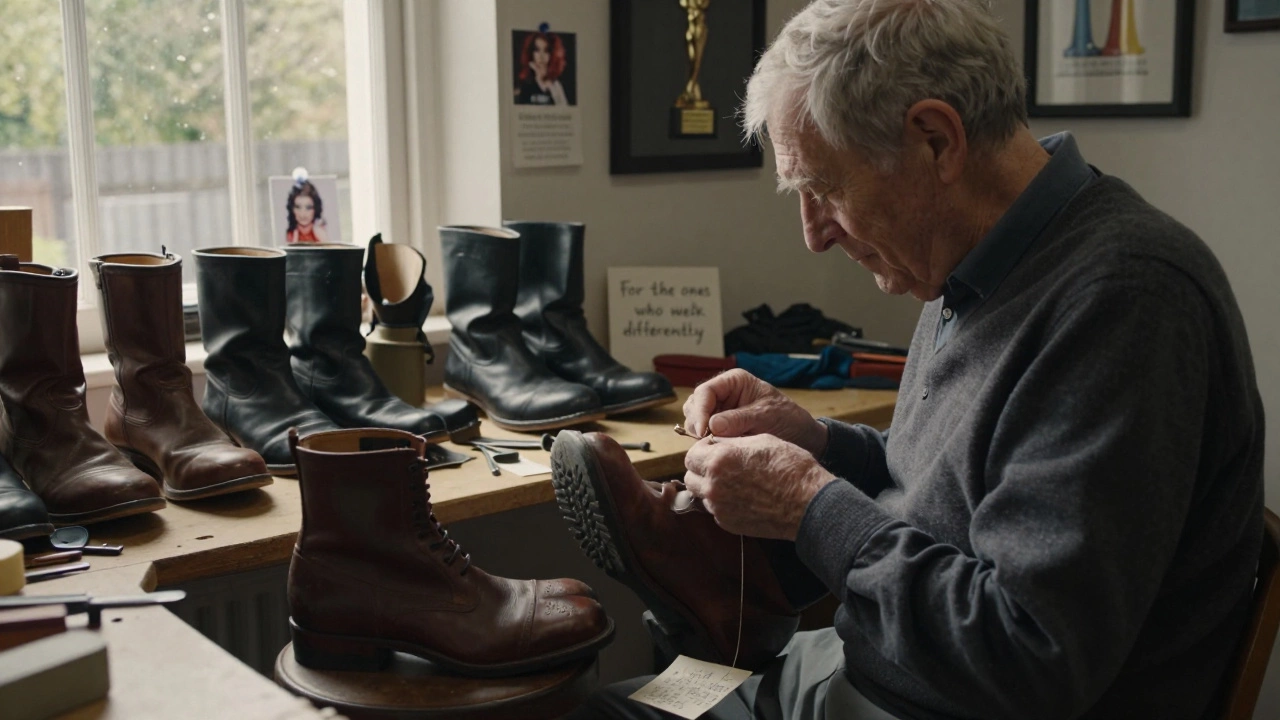
The boots in the show aren’t props. They’re real. The production team worked with a British company that specializes in custom footwear for performers. Each pair takes 12 hours to make. The heel is reinforced with steel. The sole is shock-absorbing. The upper is hand-stitched. They’re built to last, just like the message behind them.
One of the original boot makers, a 72-year-old craftsman named Brian, said he never thought he’d spend his retirement making heels for men. But he did. And he told an interviewer, “I used to think it was strange. Now I think it’s beautiful.” That’s the shift. Not from hate to love. From confusion to quiet respect.
What Happened After the Curtain Fell
The musical won six Tony Awards. It toured globally. But the real victory wasn’t the awards. It was the letters. Letters from teenagers who came out after seeing the show. Letters from parents who finally understood. Letters from drag performers who said, “For the first time, someone made a show about us that didn’t laugh at us.”
In 2019, a group of students in Sydney started a school project based on Kinky Boots. They didn’t just perform it. They invited local LGBTQ+ youth to speak. They raised money for a youth shelter. They made their own boots-hand-painted, one-of-a-kind-and auctioned them off. One of the buyers? A retired police officer. He wrote a note: “I used to think this wasn’t my business. Now I know it’s everyone’s.”
Why This Isn’t Just a Musical
It’s easy to call Kinky Boots a feel-good story. But feel-good stories don’t change laws. They don’t open minds. They don’t make factories hire people they once dismissed.
This story works because it doesn’t preach. It doesn’t say, “Be kind.” It shows kindness in action. It shows a man learning to see another man-not as a stereotype, not as a punchline, but as someone who just wants to do his job, wear what he loves, and be left alone.
And that’s the point. Real change doesn’t come from protests alone. It comes from moments like this: when someone sees something they don’t understand, and instead of turning away, they lean in. They ask questions. They listen. They make boots.
What You Can Do Today
You don’t need a Broadway stage to make a difference. You don’t need to be a producer or a performer. You just need to notice.
- When you hear someone make a joke about gender expression, don’t laugh. Say, “That’s not funny.”
- When you see someone dressed differently, don’t stare. Smile.
- When someone tells you their truth, don’t correct them. Thank them.
Change doesn’t always come with a parade. Sometimes, it comes in the form of a pair of boots-handmade, one-of-a-kind, and worn with pride.
What is Kinky Boots based on?
Kinky Boots is based on a 2005 British film of the same name, which was inspired by the true story of Steve Pateman, a shoe manufacturer in Northampton who partnered with a drag performer to save his family’s factory by making custom footwear for drag queens.
Who wrote the music and lyrics for Kinky Boots?
The music and lyrics were written by Cyndi Lauper, making her the first solo woman to win the Tony Award for Best Original Score for a musical.
Is Kinky Boots still running on Broadway?
Kinky Boots closed on Broadway in January 2019 after 2,507 performances. However, it continues to tour internationally and is frequently performed by regional and school theaters around the world.
Why are the boots in Kinky Boots so important?
The boots symbolize acceptance, identity, and resilience. They’re not just footwear-they’re a statement. Made to withstand heavy use, they represent the strength it takes to live authentically in a world that often resists difference.
Has Kinky Boots won any major awards?
Yes. Kinky Boots won six Tony Awards in 2013, including Best Musical, Best Actor for Billy Porter, and Best Original Score. It also won the Grammy for Best Musical Theater Album.